Focused footwear collection
Women’s Supportive Shoes
Explore women’s footwear by actual size, heel shape and instep room across walking, work and everyday settings.
For the broad decision framework, start with our shoes for plantar fasciitis guide and finder.
As an Amazon Associate, we may earn from qualifying purchases. Recommendations are editorial and links may lead to Amazon search results.

Skechers
Skechers Max Cushioning Arch Fit Areena
Skechers Max Cushioning Arch Fit Areena: long walks, daily wear. Use the linked listing to check the exact version, size and seller.
See fit notes
Skechers
Skechers Max Cushioning Elite 2.0
Skechers Max Cushioning Elite 2.0: long walks, daily wear. Use the linked listing to check the exact version, size and seller.
See fit notes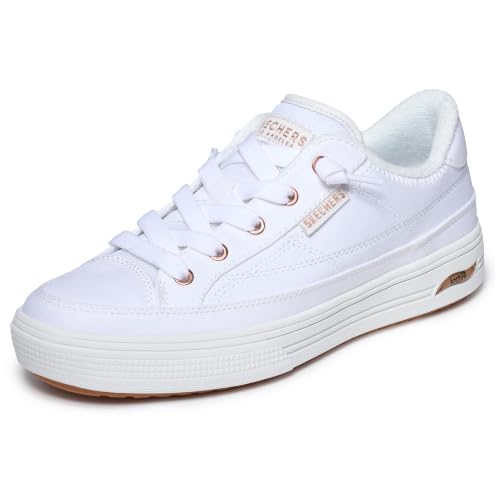
Skechers
Skechers Arch Fit Arcade
Skechers Arch Fit Arcade: walking, everyday wear. Use the linked listing to check the exact version, size and seller.
See fit notes
Skechers
Skechers Uno Stand on Air
Skechers Uno Stand on Air: walking, everyday wear. Use the linked listing to check the exact version, size and seller.
See fit notes
New Balance
New Balance 813v1
New Balance 813v1: standing, workday wear. Use the linked listing to check the exact version, size and seller.
See fit notes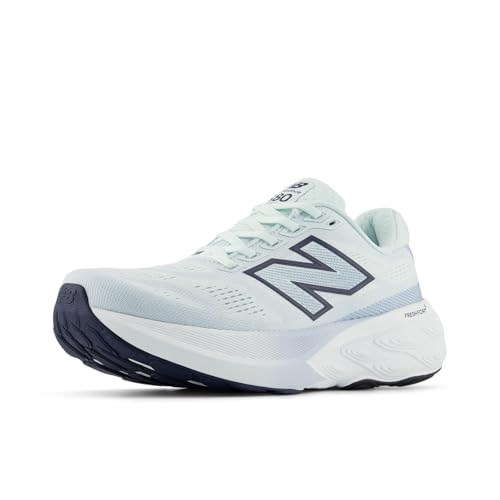
New Balance
New Balance Fresh Foam X 880v15
New Balance Fresh Foam X 880v15: walking, everyday wear. Use the linked listing to check the exact version, size and seller.
See fit notes
Brooks
Brooks Addiction Walker V-Strap 2
Brooks Addiction Walker V-Strap 2: standing, workday wear. Use the linked listing to check the exact version, size and seller.
See fit notes
Brooks
Brooks Glycerin 23
Brooks Glycerin 23: walking, everyday wear. Use the linked listing to check the exact version, size and seller.
See fit notes
Brooks
Brooks Ariel GTS 24
Brooks Ariel GTS 24: walking, everyday wear. Use the linked listing to check the exact version, size and seller.
See fit notes
HOKA
HOKA Clifton 10
HOKA Clifton 10: road running, walking, everyday wear. Use the linked listing to check the exact version, size and seller.
See fit notes
HOKA
HOKA Restore TC
HOKA Restore TC: recovery days, casual wear. Use the linked listing to check the exact version, size and seller.
See fit notes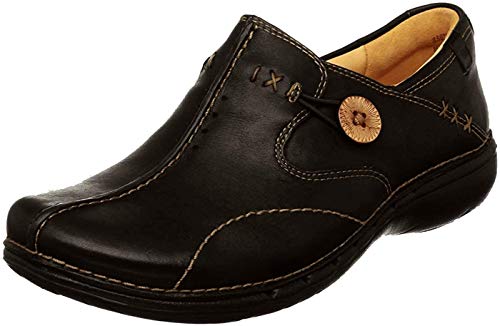
Clarks
Clarks Un Loop
Clarks Un Loop: standing, workday wear. Use the linked listing to check the exact version, size and seller.
See fit notes
Orthofeet
Orthofeet Kita
Orthofeet Kita: walking, everyday wear. Use the linked listing to check the exact version, size and seller.
See fit notes
Orthofeet
Orthofeet Coral
Orthofeet Coral: walking, everyday wear. Use the linked listing to check the exact version, size and seller.
See fit notes
Orthofeet
Orthofeet Francis
Orthofeet Francis: walking, everyday wear. Use the linked listing to check the exact version, size and seller.
See fit notes
Orthofeet
Orthofeet Verve
Orthofeet Verve: walking, everyday wear. Use the linked listing to check the exact version, size and seller.
See fit notes
Orthofeet
Orthofeet Iris
Orthofeet Iris: walking, everyday wear. Use the linked listing to check the exact version, size and seller.
See fit notes
Orthofeet
Orthofeet Louise
Orthofeet Louise: walking, everyday wear. Use the linked listing to check the exact version, size and seller.
See fit notes
Dansko
Dansko Professional
Dansko Professional: standing, workday wear. Use the linked listing to check the exact version, size and seller.
See fit notes
Dansko
Dansko Pace
Dansko Pace: walking, everyday wear. Use the linked listing to check the exact version, size and seller.
See fit notes
Dansko
Dansko Henriette
Dansko Henriette: walking, everyday wear. Use the linked listing to check the exact version, size and seller.
See fit notes
Dansko
Dansko Paisley
Dansko Paisley: walking, everyday wear. Use the linked listing to check the exact version, size and seller.
See fit notes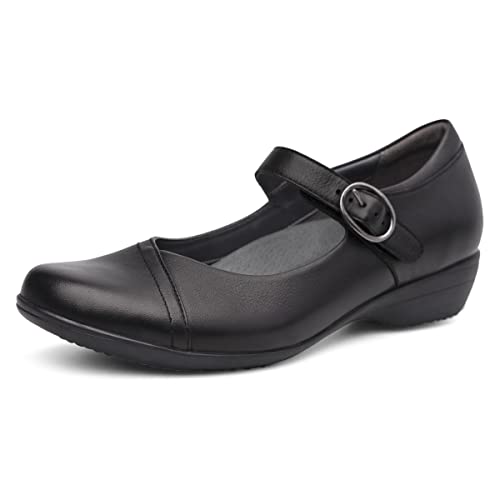
Dansko
Dansko Fawna
Dansko Fawna: standing, workday wear. Use the linked listing to check the exact version, size and seller.
See fit notes
Dansko
Dansko Rowan
Dansko Rowan: walking, everyday wear. Use the linked listing to check the exact version, size and seller.
See fit notes
Vionic
Vionic Walker Walk Max
Vionic Walker Walk Max: walking, everyday wear. Use the linked listing to check the exact version, size and seller.
See fit notes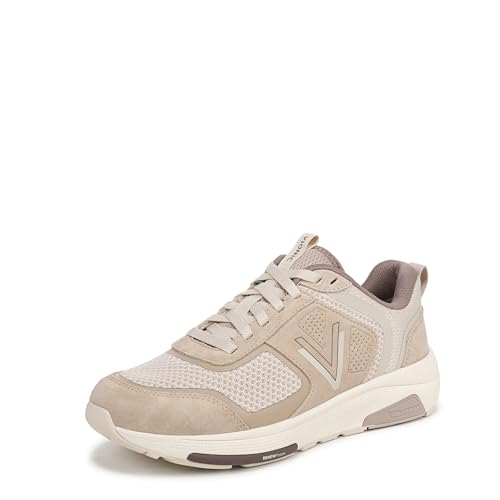
Vionic
Vionic Walk Strider
Vionic Walk Strider: walking, everyday wear. Use the linked listing to check the exact version, size and seller.
See fit notes
Vionic
Vionic Walk Max Wanderer
Vionic Walk Max Wanderer: long walks, daily wear. Use the linked listing to check the exact version, size and seller.
See fit notes
Vionic
Vionic Uptown Loafer
Vionic Uptown Loafer: walking, everyday wear. Use the linked listing to check the exact version, size and seller.
See fit notes
Vionic
Vionic Winny
Vionic Winny: walking, everyday wear. Use the linked listing to check the exact version, size and seller.
See fit notes
Vionic
Vionic Kearny
Vionic Kearny: walking, everyday wear. Use the linked listing to check the exact version, size and seller.
See fit notes
ASICS
ASICS GEL-NIMBUS 27
ASICS GEL-NIMBUS 27: road running, walking, everyday wear. Use the linked listing to check the exact version, size and seller.
See fit notes
ASICS
ASICS GEL-CUMULUS 27
ASICS GEL-CUMULUS 27: walking, everyday wear. Use the linked listing to check the exact version, size and seller.
See fit notes
Saucony
Saucony Integrity Walker 3
Saucony Integrity Walker 3: standing, workday wear. Use the linked listing to check the exact version, size and seller.
See fit notes
Saucony
Saucony Triumph 22
Saucony Triumph 22: long walks, daily wear. Use the linked listing to check the exact version, size and seller.
See fit notes
Saucony
Saucony Ride 18
Saucony Ride 18: walking, everyday wear. Use the linked listing to check the exact version, size and seller.
See fit notes
Ryka
Ryka Devotion X
Ryka Devotion X: walking, everyday wear. Use the linked listing to check the exact version, size and seller.
See fit notes
Ryka
Ryka Devotion Plus 3
Ryka Devotion Plus 3: walking, everyday wear. Use the linked listing to check the exact version, size and seller.
See fit notes
Ryka
Ryka Sky Walk
Ryka Sky Walk: walking, everyday wear. Use the linked listing to check the exact version, size and seller.
See fit notes
Ryka
Ryka Influence
Ryka Influence: dance fitness, low-impact training. Use the linked listing to check the exact version, size and seller.
See fit notes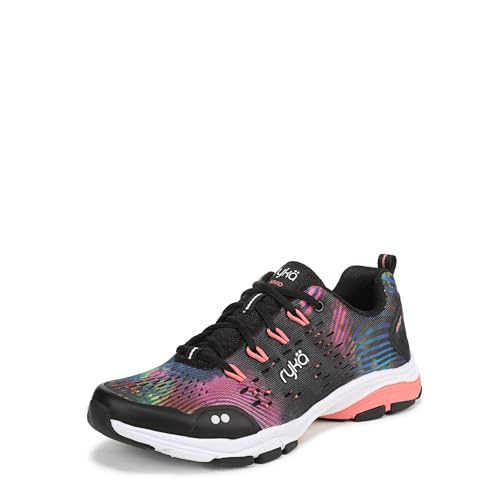
Ryka
Ryka Vivid RZX
Ryka Vivid RZX: studio training, workouts. Use the linked listing to check the exact version, size and seller.
See fit notes
Ryka
Ryka Dash 3
Ryka Dash 3: walking, everyday wear. Use the linked listing to check the exact version, size and seller.
See fit notesUse the women’s category to narrow availability
A women’s label can help locate the available size range and styles, but it does not describe every heel shape or instep volume. Begin with the actual dimensions and the activity: office wear, walking and a standing shift may lead to different constructions. If comparing a unisex or men’s model, use the manufacturer’s conversion and fit guidance rather than treating matching numbers as matching sizes. The aim is a workable shoe, not loyalty to a category label.
Identify the part of the fitting that fails
If the toes have space but the heel slips, compare the rearfoot shape or fastening before shortening the shoe. If pressure is mainly above the foot, look at depth rather than assuming a wider size will solve it. Dress socks, hosiery and thicker walking socks can alter the final arrangement. Include the combination you intend to wear. A supportive description is only a starting point; the relevant result is a comfortable fit for your routine and any existing insert requirements.
Supporting topic cluster
Guides related to Women’s Supportive Shoes
Best-of guide
Best Women’s Dress Shoes for Plantar Fasciitis: Loafers, Flats, and Work Styles
Compare women’s dress and smart-casual options by closure and occasion, with ECCO Helsinki 2 clearly identified as a men’s-model alternative.
Read guideBest-of guide
Best Women’s Walking Shoes for Plantar Fasciitis: 8 Fit-First Options
Compare women’s walking and running-shoe alternatives by heel fit, forefoot space, closure and compatibility with any prescribed insert.
Read guideFit & comfort
Are Barefoot Shoes Good for Plantar Fasciitis?
Minimal shoes reduce cushioning and structure, so a sudden transition can be demanding for a painful foot.
Read guideFit & comfort
Are HOKA Shoes Good for Plantar Fasciitis?
HOKA models vary in cushioning, rocker geometry, width, and stability, so compare the exact model.
Read guideFit & comfort
Are Brooks Shoes Good for Plantar Fasciitis?
Brooks offers multiple neutral and stability platforms that should be compared model by model.
Read guideFit & comfort
What House Shoes Are Best for Plantar Fasciitis?
Indoor shoes should provide a secure, supportive alternative to barefoot walking without creating pressure.
Read guideFit & comfort
Should You Go Barefoot With Plantar Fasciitis?
People with active heel pain are often advised to avoid unsupported barefoot time, but individualized guidance matters.
Read guideFit & comfort
Can You Wear Dress Shoes With Plantar Fasciitis?
Dress shoes can be compared by heel height, forefoot room, stability, and insert compatibility.
Read guideFit & comfort
Do Wide Toe Boxes Help Plantar Fasciitis?
Toe room can reduce forefoot crowding but does not replace heel hold or appropriate support.
Read guideFit & comfort
Can Orthotics Help Plantar Fasciitis?
Inserts may be part of a clinician-guided or over-the-counter support strategy, but they must fit the shoe and foot.
Read guideFit & comfort
Can You Put Orthotics in Running Shoes?
Many running shoes accept inserts when the liner is removable and internal volume remains adequate.
Read guideFit & comfort
Are Stability Shoes Better for Plantar Fasciitis?
Stability features may help some wearers, but should be chosen for gait and comfort rather than diagnosis alone.
Read guideFit & comfort
Can Shoes Prevent Plantar Fasciitis?
No shoe can guarantee prevention, though appropriate fit, activity matching, and replacing worn footwear are sensible.
Read guideFit & comfort
What Shoes Help Morning Heel Pain?
Supportive indoor footwear can reduce unsupported first steps while the underlying cause is evaluated.
Read guide