Focused footwear collection
Supportive Slip-On Shoes
Distinguish loafers, clogs and easy-entry designs by how they fasten and stay positioned, rather than treating all slip-ons alike.
For the broad decision framework, start with our shoes for plantar fasciitis guide and finder.
As an Amazon Associate, we may earn from qualifying purchases. Recommendations are editorial and links may lead to Amazon search results.

Skechers
Skechers Delson 3.0
Skechers Delson 3.0: walking, everyday wear. Use the linked listing to check the exact version, size and seller.
See fit notes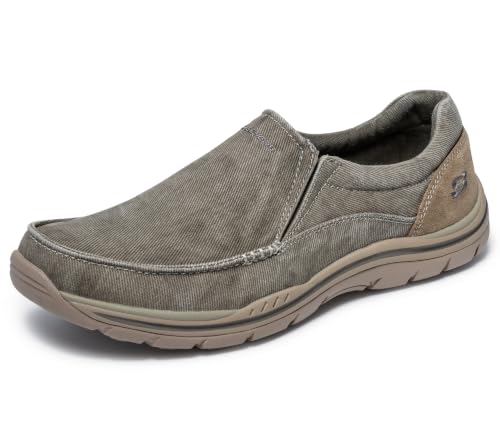
Skechers
Skechers Relaxed Fit Avillo
Skechers Relaxed Fit Avillo: walking, everyday wear. Use the linked listing to check the exact version, size and seller.
See fit notes
HOKA
HOKA Restore TC
HOKA Restore TC: recovery days, casual wear. Use the linked listing to check the exact version, size and seller.
See fit notes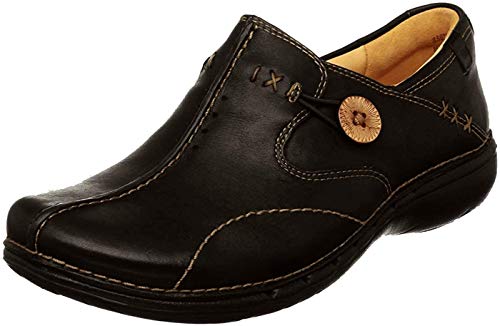
Clarks
Clarks Un Loop
Clarks Un Loop: standing, workday wear. Use the linked listing to check the exact version, size and seller.
See fit notes
Orthofeet
Orthofeet Francis
Orthofeet Francis: walking, everyday wear. Use the linked listing to check the exact version, size and seller.
See fit notes
Dansko
Dansko Professional
Dansko Professional: standing, workday wear. Use the linked listing to check the exact version, size and seller.
See fit notes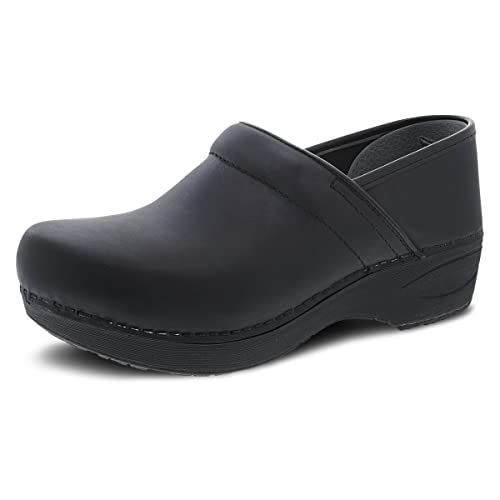
Dansko
Dansko XP 2.0
Dansko XP 2.0: standing, workday wear. Use the linked listing to check the exact version, size and seller.
See fit notes
Vionic
Vionic Uptown Loafer
Vionic Uptown Loafer: walking, everyday wear. Use the linked listing to check the exact version, size and seller.
See fit notes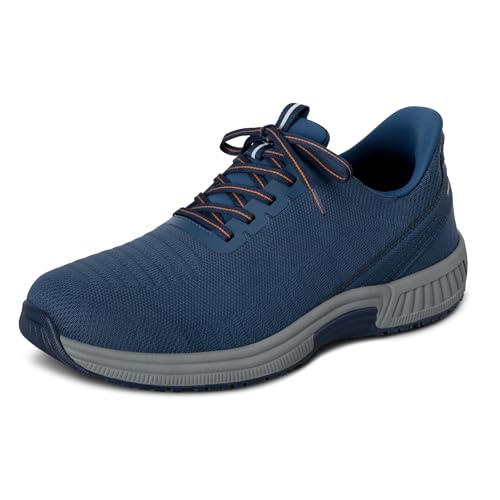
Orthofeet
Orthofeet Yari
Orthofeet Yari: walking, everyday wear. Use the linked listing to check the exact version, size and seller.
See fit notesSeparate easy entry from a loose opening
Slip-on footwear can include a loafer, a clog, a stretch-lace shoe or a hands-free heel design. Those constructions do not stay attached in the same way. Identify which form of convenience you need: avoiding knots, making the opening easier to access or being able to remove the pair quickly. Then inspect the exact closure instead of relying on a broad slip-on search label.
Follow the fit approach for the construction
A loafer that slips repeatedly during walking presents a different question from a clog designed with a particular heel relationship. Read the model’s instructions and check the complete fit with your usual socks. Do not assume a snugger size is always the answer if it crowds the toes. For limited hand mobility, consider whether any remaining adjustment is actually manageable. If prescribed inserts are involved, verify depth and heel seating before purchase. Convenient entry is valuable when the shoe also remains appropriate for your routine and required support arrangement.
Supporting topic cluster