Focused footwear collection
Supportive Lace-Up Shoes
Check whether a shoe’s laces offer genuine adjustment and whether comfortable tension holds the foot without concentrated pressure.
For the broad decision framework, start with our shoes for plantar fasciitis guide and finder.
As an Amazon Associate, we may earn from qualifying purchases. Recommendations are editorial and links may lead to Amazon search results.
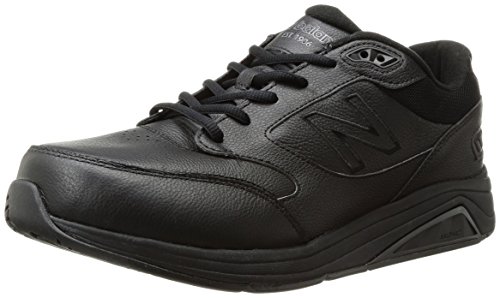
New Balance
New Balance 928v3
New Balance 928v3: walking, standing, workday wear. Use the linked listing to check the exact version, size and seller.
See fit notes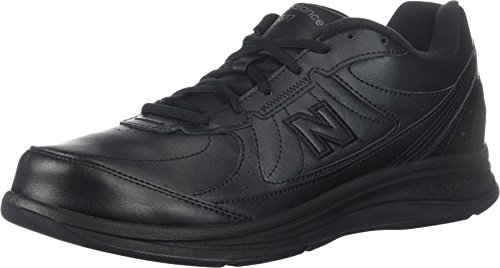
New Balance
New Balance 577v1
New Balance 577v1: walking, everyday wear. Use the linked listing to check the exact version, size and seller.
See fit notes
New Balance
New Balance 813v1
New Balance 813v1: standing, workday wear. Use the linked listing to check the exact version, size and seller.
See fit notes
ECCO
ECCO Irving
ECCO Irving: walking, everyday wear. Use the linked listing to check the exact version, size and seller.
See fit notes
Vionic
Vionic Walker Walk Max
Vionic Walker Walk Max: walking, everyday wear. Use the linked listing to check the exact version, size and seller.
See fit notes
Vionic
Vionic Pismo 2.0
Vionic Pismo 2.0: walking, everyday wear. Use the linked listing to check the exact version, size and seller.
See fit notes
Vionic
Vionic Kearny
Vionic Kearny: walking, everyday wear. Use the linked listing to check the exact version, size and seller.
See fit notesCheck that the laces provide real adjustment
Decorative laces, fixed stretch laces and traditional laces may look similar in a product photograph. If you need to vary tension across the instep, confirm which type the selected model uses. An adjustable lace system can help tune a compatible upper, but it cannot create missing sole width or transform the heel shape. Start with the right length and volume before using extra tension to correct the fit.
Assess the pressure distribution after fastening
Tighten comfortably and walk with the tongue lying smoothly. Notice whether one area feels compressed while another remains loose. If the lace panels meet completely but the foot still shifts, a different volume may be more useful than another tightening attempt. Include the socks and insert planned for daily wear, since both can change the available space. For work or travel, consider whether adjusting and tying the shoe is practical in the situations you face. A lace-up label describes a fastening method, not a guarantee of heel-pain relief.